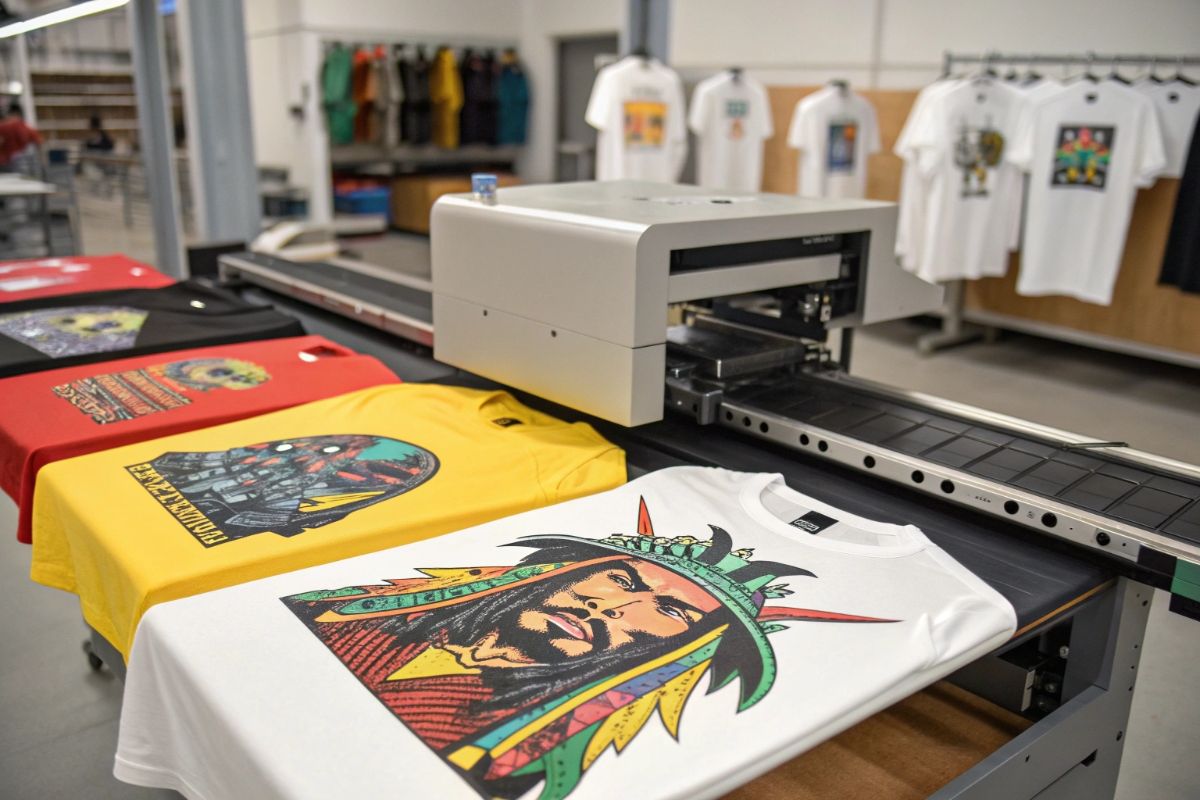

Sustainability isn’t a trend anymore. It’s a standard that consumers are holding brands to and the gap between brands that understand this and those that don’t is getting wider every year. For businesses investing in branded merchandise, the T-shirt is one of the most visible touchpoints a brand owns. Getting it right means thinking beyond just the logo placement. For brands across the city exploring Customized T-Shirts Chennai that actually align with their values, the conversation around eco-friendly apparel is worth having properly.
Why Brands Are Rethinking Their Apparel Choices
The apparel industry is one of the more resource-intensive sectors globally. Conventional cotton farming uses significant volumes of water and pesticide. Synthetic fabric production generates chemical runoff. Standard printing inks historically contained compounds that weren’t safe for prolonged skin contact or responsible disposal.
Brands that hand out merchandise made through these processes are, whether they intend to or not, attaching their name to those practices. Consumers notice. Especially younger audiences who research before they buy and share what they find.
Eco-friendly T-shirts address this directly, not as a PR move, but as a practical shift in how branded apparel is sourced, made, and printed.
What Actually Makes a T-Shirt Eco-Friendly
This is where the conversation needs to get specific, because the term gets used loosely. A genuinely eco-friendly T-shirt involves choices made at multiple stages, not just one.
Organic Cotton
Organic cotton skips the synthetic pesticides and fertilizers entirely and the farming process behind it uses noticeably less water than the conventional route. What that means for the person wearing it is simple: the fabric is softer, breathes better and sits more comfortably against the skin. It’s a practical everyday choice, not just a principled one. Look for GOTS (Global Organic Textile Standard) certification when sourcing.
Recycled Polyester
Made from post-consumer plastic, primarily recycled PET bottles recycled polyester reduces dependence on virgin petroleum-based materials. It performs similarly to standard polyester in terms of durability and moisture management, making it well-suited for active or outdoor use. Brands in the fitness, sports, and outdoor space find this particularly relevant.
Water-Based Inks
Conventional plastisol inks contain PVC and phthalates. Water-based inks replace these with formulations that are lower in volatile organic compounds, safer for the person wearing the shirt, and easier to process responsibly at the end of the garment’s life. The print quality is sharp and the colors hold well, there’s no visual compromise involved.
The Business Case, Beyond the Ethics
Eco-friendly merchandise isn’t just about doing the right thing. It’s also smart positioning. Here’s why it makes commercial sense:
- Brand perception improves. Customers who receive a T-shirt made from organic cotton with a water-based print register that as a quality signal. The material feels different. The brand feels more considered.
- Employee pride goes up. Teams that wear branded merchandise made responsibly are more likely to actually wear it outside the office, on weekends, in public. That’s organic brand visibility that can’t be bought any other way.
- It aligns with procurement values. Many mid-to-large businesses now have sustainability criteria built into their vendor and merchandise decisions. Eco-friendly apparel fits those frameworks without requiring internal justification.
The cost difference between standard and eco-friendly T-shirts has narrowed considerably over the last few years. For bulk orders especially, the gap is smaller than most people expect.
Getting the Order Right
A few practical things to sort out before placing an eco-friendly T-shirt order:
- Confirm fabric certifications, GOTS for organic cotton, GRS (Global Recycled Standard) for recycled polyester.
- Ask specifically about ink type. Water-based should be the default for eco-focused orders.
- Factor in sizing diversity early. Eco-friendly fabrics sometimes have slightly different shrink rates, confirming this with your printer before the full run avoids sizing surprises.
Where Chennai T-Shirts Comes In
Chennai T-Shirts doesn’t treat eco-friendly printing as an add-on. Water-based inks and sustainable fabric options are part of how orders are handled here because the team genuinely understands that a brand’s merchandise says something about the brand itself, not just on the surface but in how it was made.
A corporate event order gets the same material care as a product launch run or a team uniform batch. Nothing gets rushed through at the cost of quality. For brands that want people to actually hold onto the T-shirt, wear it on a Sunday, not just at the event, T-Shirt Printing Velachery through Chennai T-Shirts is where that standard gets met.