
A woman scrolls through her phone and stops at a photo from a trip with her college friends, all of them squinting in the sun, one mid-laugh. She has looked at it a hundred times. This time she wonders what it would look like on a shirt for the reunion next month. The idea is easy. The result depends on a few choices that rarely get explained: how sharp the image is, how it is printed, what fabric it lands on and how it is placed.
This article covers how to pick and prepare a photo or design, which print method suits which artwork, how to choose fabric and colour, layout ideas, care and how to order smoothly. If you are looking for T-Shirt printing in Chennai, it will help you go in with a clear plan.
Choosing the Right Photo or Design
Not every picture translates well onto fabric. A photo that looks lovely on a phone screen can turn muddy when printed at chest size.
Pick images with a clear subject, good lighting and a simple background. Faces should be visible and not lost in shadow. Group shots work, but the more people in the frame, the smaller each face becomes on the shirt. For artwork, bold lines and strong contrast hold up better than very fine detail or pale shading.
Consider the story behind the image as well. A shirt gets worn in public, so choose something you will still enjoy seeing six months from now, not just a passing joke.
Image Quality: The Step That Decides Everything
Resolution is the technical point that most often spoils an order. A small, compressed image stretched across a shirt looks blurry or blocky.
As a rough guide, files should be large enough to print at around 300 dots per inch at the final size. For a design about 10 inches wide, that means an image roughly 3000 pixels across. Photos taken directly with a modern phone camera are usually fine, but screenshots, images saved from social media and pictures forwarded through messaging apps are often compressed and too small. Ask friends to send the original file, not the chat version.
For logos and illustrations, a vector file such as SVG, AI or a high-quality PDF is ideal, because it stays sharp at any size. If you only have a low-quality image, a good printer can sometimes clean it up or recreate it, though results vary.
Print Methods and What They Suit
The same image looks different depending on how it is applied to the shirt.
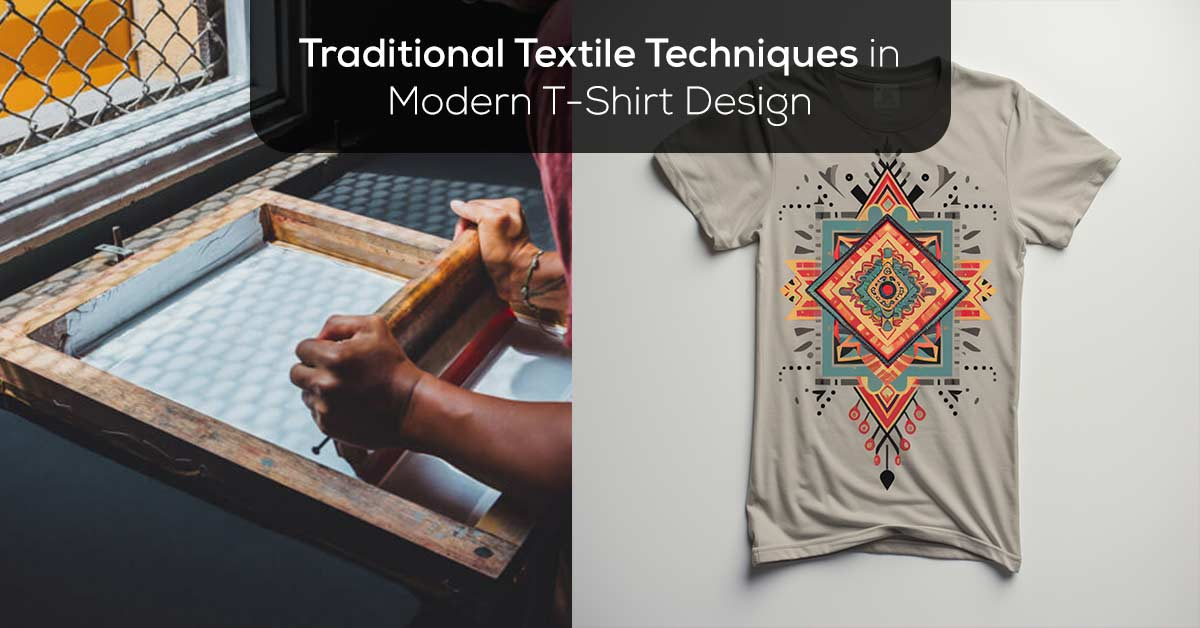
Digital printing sprays ink directly onto the fabric and handles photographs, gradients and many colours well, which makes it a natural choice for photo shirts and single pieces. Screen printing pushes ink through a stencil, giving bold, durable colour for designs with a limited palette, and it becomes cost-effective in larger batches. Heat transfer uses heat to apply a printed film or vinyl. It is good for quick jobs, names, numbers and small detailed graphics. Embroidery stitches the design with thread and is best for compact logos and monograms on polos and caps.
Ask the printer which method they recommend for your artwork and quantity, and request a sample if the design is complex. A photo with soft shading usually looks best digitally printed, while a one or two colour graphic often looks sharper with screen printing.
Fabric and Colour: Where the Design Lands
Fabric changes both comfort and print quality. Cotton is soft and breathable, which suits Chennai’s heat and takes ink well. Cotton-polyester blends resist creasing and shrinking and hold their shape through frequent washing. Polyester dries quickly and suits sports and active wear.
Shirt colour matters just as much. Light shirts show photographs and colourful artwork most accurately. On dark shirts, many methods need a white base layer under the image, which can change the feel and the brightness of colours, so ask how the printer handles it. If your design relies on subtle shading, a white or light shirt is the safest choice.
Layout, Size and Placement Ideas
How the design sits on the shirt affects how it looks on a real body.
A centred chest print about 8 to 11 inches wide works for most adult sizes. A smaller print on the left chest feels subtle and suits logos and monograms. Bold statements and group photos are best with full-front prints. Names, numbers and slogans are best with back prints. Sleeves and the nape of the neck can carry small details such as a date or a short phrase.
Leave some empty space around the image so it does not feel crowded. Add text sparingly, with a clear font and strong contrast against the shirt colour. If several people will wear matching shirts, ask for a mock-up, so everyone can see the final look before printing begins.
Ideas Worth Trying
Photos and designs can turn into gifts for many occasions. Family photo shirts work for reunions and festivals. A pet portrait makes a good birthday present. A child’s drawing, scanned at high quality, becomes a keepsake for grandparents. Couples use matching shirts with a shared photo or a date. Friend groups choose an inside joke, a trip photo or a batch year. Small businesses and clubs print logos for staff, volunteers and events.
Whatever the idea, keep it personal. A gift made from a real memory is usually more valued than a generic slogan.
Care Tips to Keep the Print Fresh
A good print lasts longer with a little care. Turn the shirt inside out before washing, and use cold or lukewarm water with a mild detergent. Avoid bleach and harsh stain removers. Dry in the shade or on a low setting, since high heat can crack or fade the print. If ironing is needed, press from the inside or place a cloth over the design. Washed gently, a good print can stay bright through many months of regular wear.
Ordering Smoothly With Chennai T-Shirts
Chennai T-Shirts works with individuals, families, companies and student groups on custom-printed apparel, covering a range of fabrics and print methods. Its team guides customers on file quality, design placement and sizing, so the final shirt looks as good as the idea.
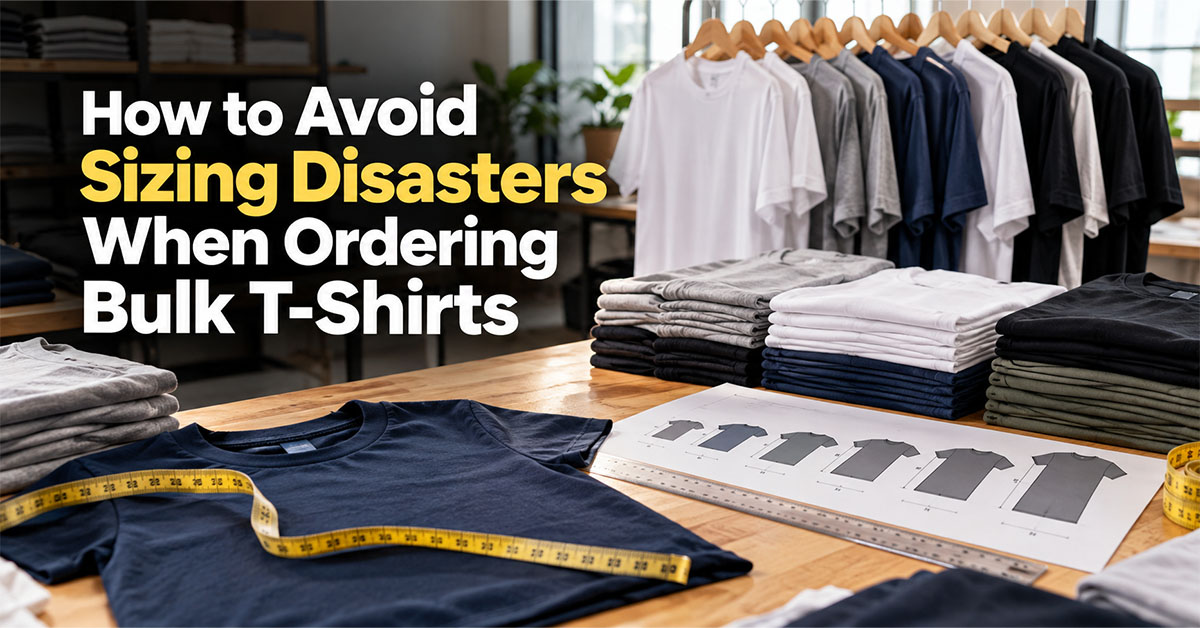
Before ordering, collect the best version of your image, confirm sizes with a size chart, check the spelling of any text and allow at least a week or two for production, more for large batches. Ask for a digital preview, and do not hesitate to request a sample for a big order.
From Camera Roll to Closet
A favourite photo becomes a great shirt when the image is sharp, the method suits the artwork and the fabric and colour support the design. Keep the layout clean, prepare your files carefully and give the printer enough time. If you would like to see samples and finalise your design in person, T-Shirt printing Velachery is a convenient place to start.